
Complex Angioplasty with Laser
About
Complex Angioplasty with Laser
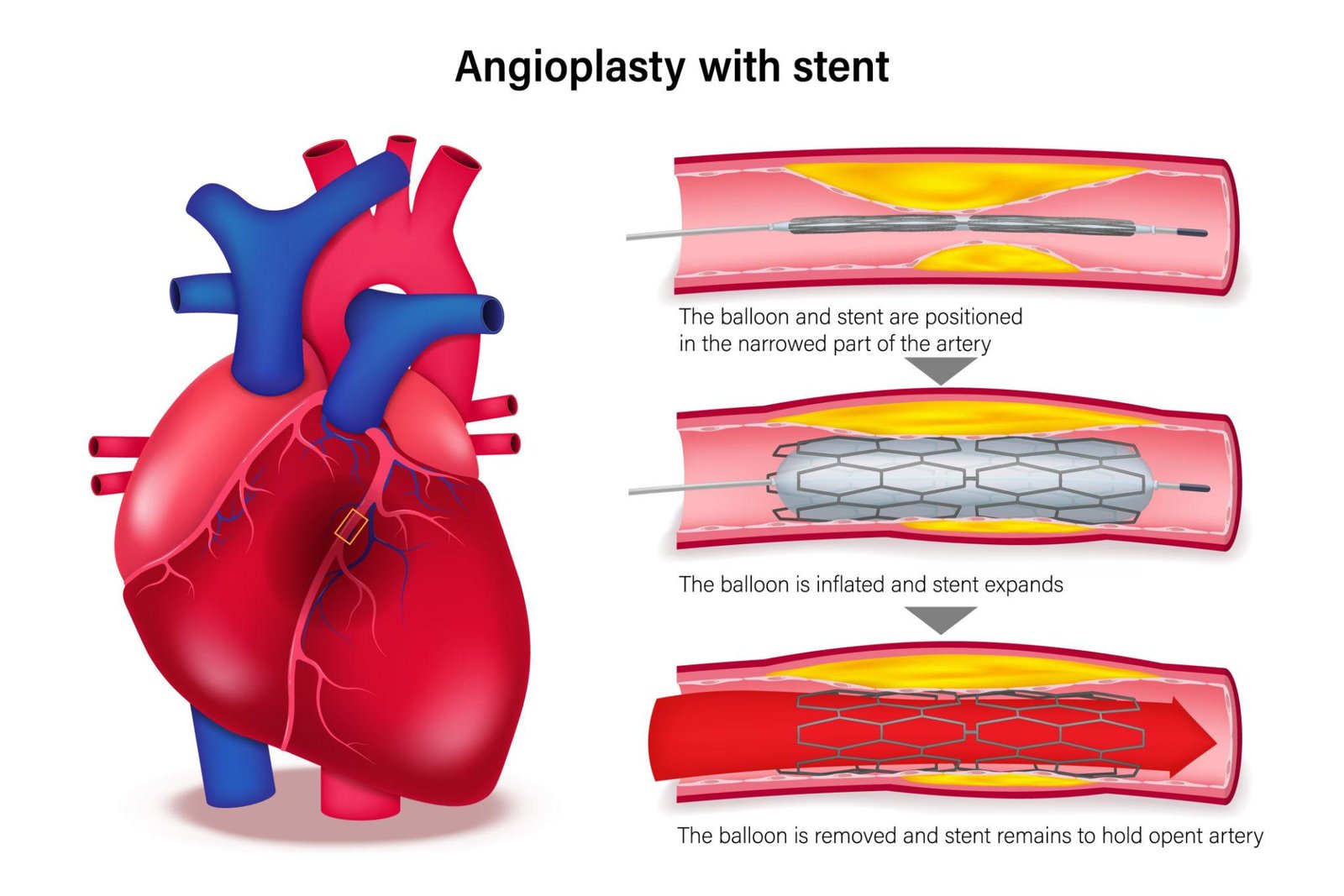
Complex Laser Angioplasty is an advanced minimally invasive procedure used to open severely blocked or hardened coronary arteries when conventional balloon angioplasty may not be sufficient. It combines laser technology with angioplasty techniques to remove or modify plaque and restore blood flow to the heart.
What is Complex Angioplasty?
Complex angioplasty refers to the treatment of challenging coronary artery blockages, including:
- Chronic Total Occlusions (CTO)
- Long-segment blockages
- Heavily calcified lesions
- In-stent restenosis (re-narrowing inside a stent)
- Bifurcation lesions (blockages at vessel branches)
- Multiple vessel disease
In these cases, advanced devices such as laser catheters, atherectomy systems, specialized balloons, and coronary stents may be required.
What is Laser Angioplasty?
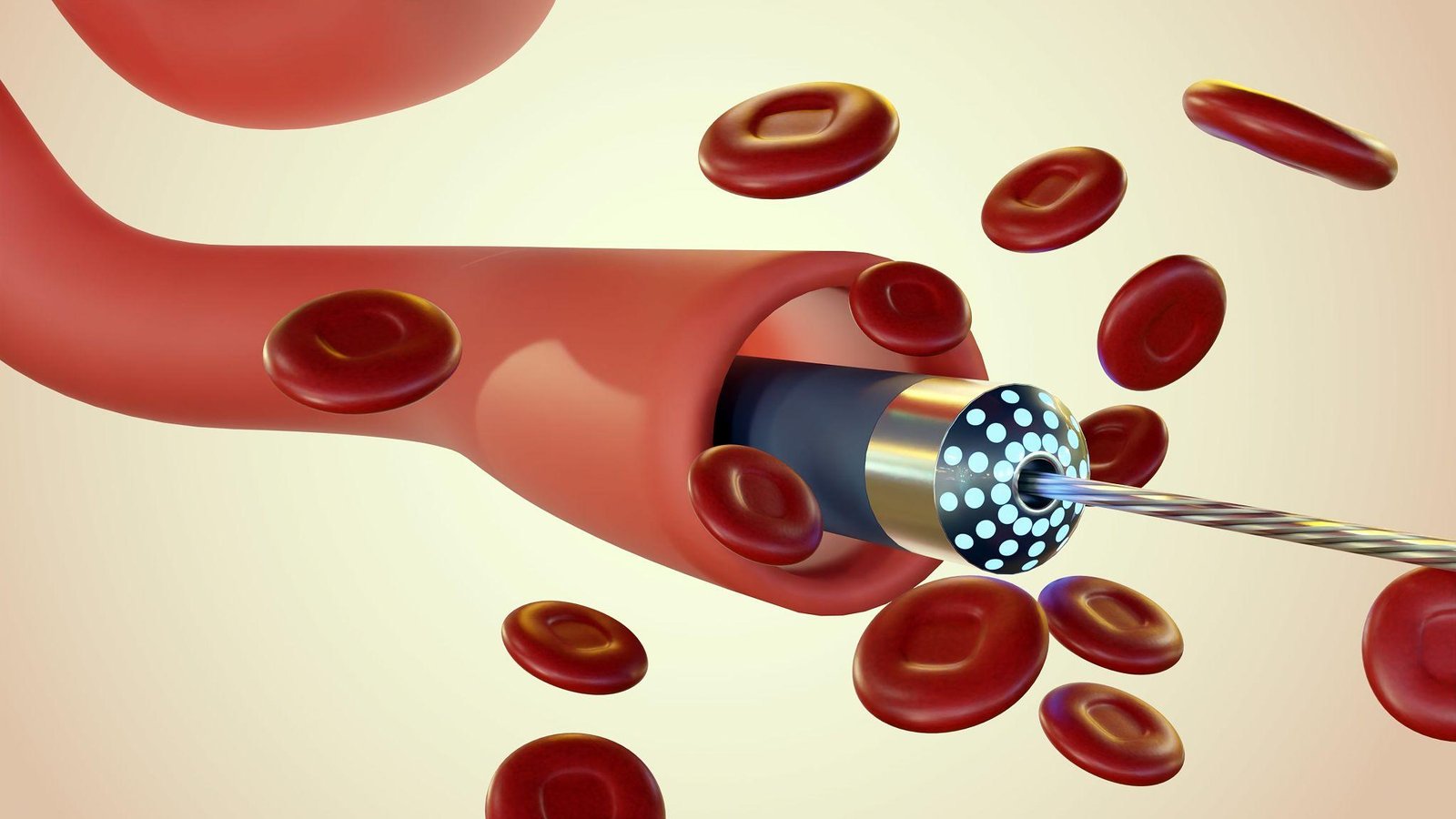
Laser angioplasty uses an Excimer Laser Coronary Atherectomy (ELCA) system that emits short pulses of ultraviolet light to vaporize plaque, blood clots, and scar tissue within the artery.
The laser:
- Breaks down plaque into microscopic particles
- Helps cross difficult blockages
- Improves stent expansion
- Restores blood flow in complex lesions
How is the Procedure Performed?
- A catheter is inserted through the wrist (radial artery) or groin (femoral artery).
- A guidewire is advanced across the blockage.
- A laser catheter is delivered to the lesion.
- Laser energy is applied to modify or remove the blockage.
- Balloon angioplasty may be performed.
- A coronary stent is often implanted to keep the artery open.
The procedure is usually performed under local anesthesia with mild sedation.
Benefits of Laser Angioplasty
- Minimally invasive treatment
- Effective for difficult blockages
- Can treat certain lesions resistant to standard angioplasty
- Helps improve stent deployment
- Shorter recovery compared with bypass surgery
- Reduced symptoms such as chest pain and breathlessness
Potential Risks
As with any coronary intervention, risks may include:
- Bleeding
- Blood vessel injury
- Heart attack
- Stroke
- Coronary artery perforation
- Arrhythmias
- Restenosis (re-narrowing)
Success and Outcomes
When performed by experienced interventional cardiologists, complex laser angioplasty can achieve high procedural success rates, especially in patients with difficult coronary artery blockages. It can improve blood flow, relieve symptoms, and reduce the need for more invasive surgical procedures in selected patients.