
Pediatric Cardiac Disease
Pediatric Heart Care by Dr. Amit Bhushan Sharma
Pediatric Cardiac Disease Treatment
Pediatric cardiac diseases include heart conditions that affect infants, children, and adolescents. These may be present at birth (congenital heart defects) or develop later due to infections, inflammation, or genetic conditions. Early diagnosis and timely treatment play a vital role in ensuring healthy growth, normal development, and an improved quality of life.
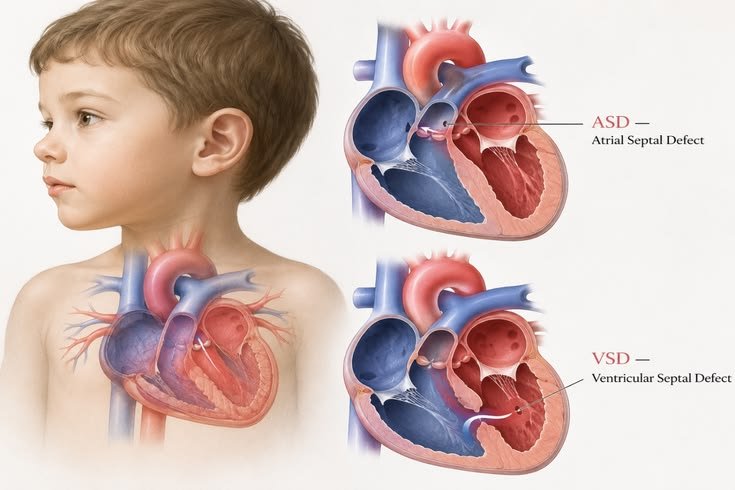
Dr. Amit Bhushan Sharma provides expert evaluation and management of pediatric heart conditions, working closely with families to ensure personalized and compassionate care for every child.
What are Pediatric Cardiac Diseases?
Pediatric cardiac diseases refer to disorders affecting a child’s heart structure, function, rhythm, or blood vessels. Some children are born with heart defects, while others develop heart conditions during childhood.
These conditions may involve:
- Heart chambers
- Heart valves
- Blood vessels
- Heart muscles
- Heart rhythm
- Blood circulation
Many pediatric heart diseases can now be effectively managed with medications, catheter-based interventions, or surgery, allowing children to lead active and healthy lives.
Common Pediatric Heart Conditions We Treat
Congenital Heart Disease (CHD)
Congenital heart defects are structural abnormalities present at birth. They range from simple defects that require monitoring to complex conditions needing specialized treatment.
Common congenital heart defects include:
- Atrial Septal Defect (ASD)
- Ventricular Septal Defect (VSD)
- Patent Ductus Arteriosus (PDA)
- Tetralogy of Fallot (TOF)
- Pulmonary Valve Stenosis
- Coarctation of the Aorta
- Transposition of the Great Arteries (TGA)
Rheumatic Heart Disease
Although preventable, untreated streptococcal throat infections can lead to rheumatic fever and damage heart valves.

Pediatric Arrhythmias
Abnormal heart rhythms may cause:
- Palpitations
- Fast heartbeat
- Slow heartbeat
- Fainting episodes
- Dizziness
Cardiomyopathy
Diseases affecting the heart muscle that may reduce the heart’s ability to pump blood effectively.
Kawasaki Disease
An inflammatory condition affecting blood vessels that may involve the coronary arteries if not treated promptly.
Heart Murmurs
Many heart murmurs are harmless (innocent), while others may indicate an underlying structural heart condition requiring evaluation.
Symptoms That May Indicate a Heart Problem in Children
Parents should seek medical evaluation if a child experiences:
- Difficulty feeding in infants
- Poor weight gain
- Bluish lips or skin (cyanosis)
- Rapid breathing
- Excessive sweating during feeding
- Chest pain during activity
- Frequent fatigue
- Fainting episodes
- Fast or irregular heartbeat
- Reduced exercise tolerance
- Recurrent chest infections
Early diagnosis significantly improves treatment outcomes.
Pediatric Cardiac Diagnostic Services
Comprehensive evaluation may include:
- Pediatric ECG
- 2D Echocardiography
- Color Doppler Study
- Pulse Oximetry
- Chest X-ray
- Holter Monitoring
- Blood Pressure Monitoring
- Cardiac CT or MRI (when indicated)
- Cardiac Catheterization (selected cases)
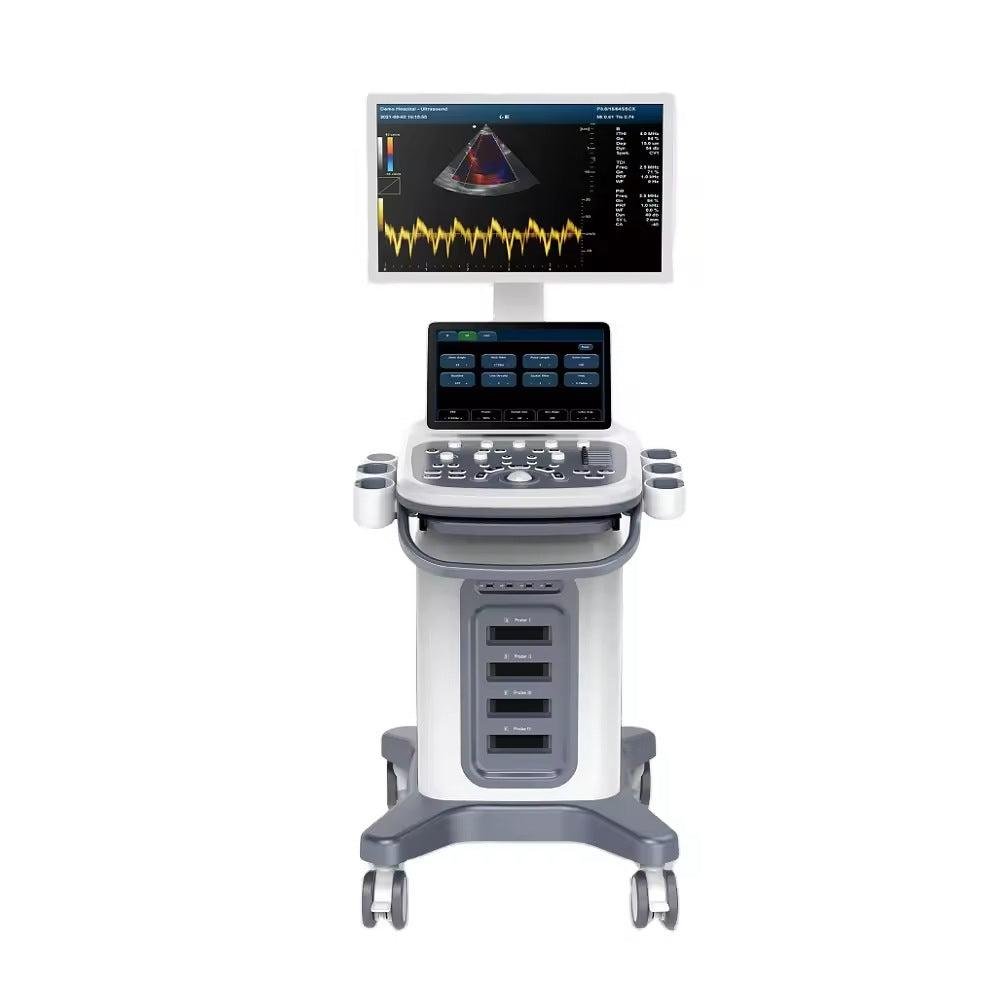
Treatment Options
Treatment depends on the child’s age, diagnosis, and severity of the condition.
Medical Management
Many heart conditions can be managed with medications that help improve heart function, control rhythm disturbances, reduce fluid overload, or prevent complications.
Catheter-Based Procedures
Minimally invasive treatments may include:
- ASD Device Closure
- PDA Device Closure
- Balloon Valvuloplasty
- Balloon Angioplasty
- Diagnostic Cardiac Catheterization
Surgical Treatment
Some congenital heart defects require corrective or palliative heart surgery performed by specialized pediatric cardiac surgeons.
Long-Term Follow-Up
Many children with congenital heart disease require regular follow-up to monitor heart function and ensure healthy growth and development.