
Leadless Pacemaker
About
Leadless Pacemaker
A Leadless Pacemaker is a small, self-contained cardiac pacing device that is implanted directly into the heart without the need for leads (wires) or a surgical pocket under the skin. It is designed to help maintain a normal heart rhythm in patients with certain types of slow heartbeats (bradycardia).
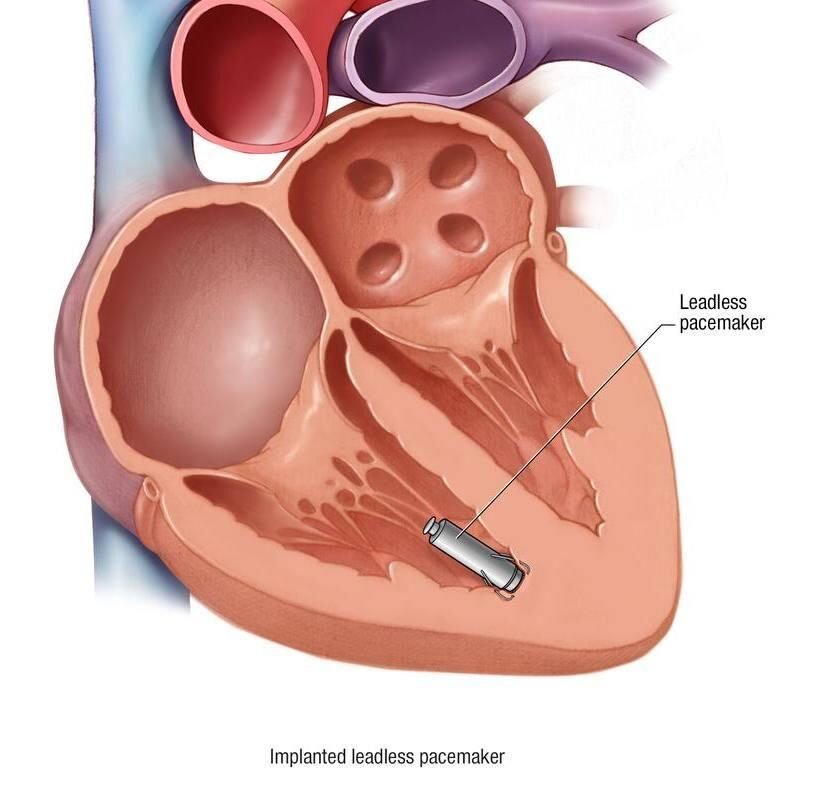
What is a Leadless Pacemaker?
Traditional pacemakers consist of a pulse generator placed under the skin near the collarbone and one or more leads that connect the device to the heart. A leadless pacemaker combines all these components into a single miniature device that is implanted directly inside the right ventricle of the heart.
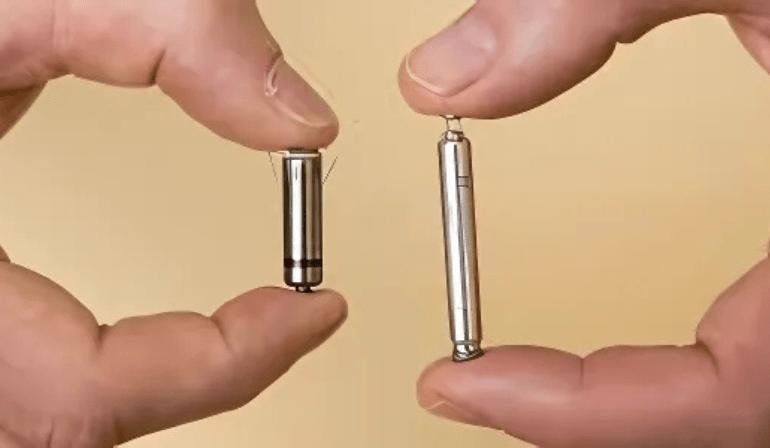
How is it Implanted?
- A catheter is inserted through a vein in the groin.
- The leadless pacemaker is guided to the heart through the catheter.
- The device is attached to the heart muscle.
- The catheter is removed, leaving the pacemaker in place.
The procedure is minimally invasive and usually takes less than an hour.
Benefits of a Leadless Pacemaker
- No leads (wires) that can fracture or become infected
- No visible chest scar or device bulge
- Lower risk of infection compared to traditional pacemakers
- Minimally invasive implantation
- Faster recovery and shorter hospital stay
- Reduced risk of lead-related complications
Recovery After Implantation
Most patients:
- Walk within a few hours after the procedure
- Go home within 24–48 hours
- Return to normal daily activities within a few days
- Experience improvement in symptoms such as dizziness, fatigue, and fainting
Potential Risks
Although generally safe, possible risks include:
- Bleeding at the insertion site
- Device dislodgement
- Heart perforation (rare)
- Blood vessel complications
- Infection (rare)
Success Rate
Leadless pacemakers have demonstrated high implantation success rates and excellent long-term performance. They provide reliable pacing while reducing many of the complications associated with traditional pacemaker leads and surgical pockets.
Leadless pacemakers are not suitable for every patient, so a detailed evaluation by a cardiac electrophysiologist is necessary to determine the most appropriate pacing system.