Your heart works continuously to pump blood throughout your body, making heart health an essential part of overall well-being. While regular exercise, adequate sleep, and routine health check-ups are important, your daily food choices also play a significant role in maintaining cardiovascular health.
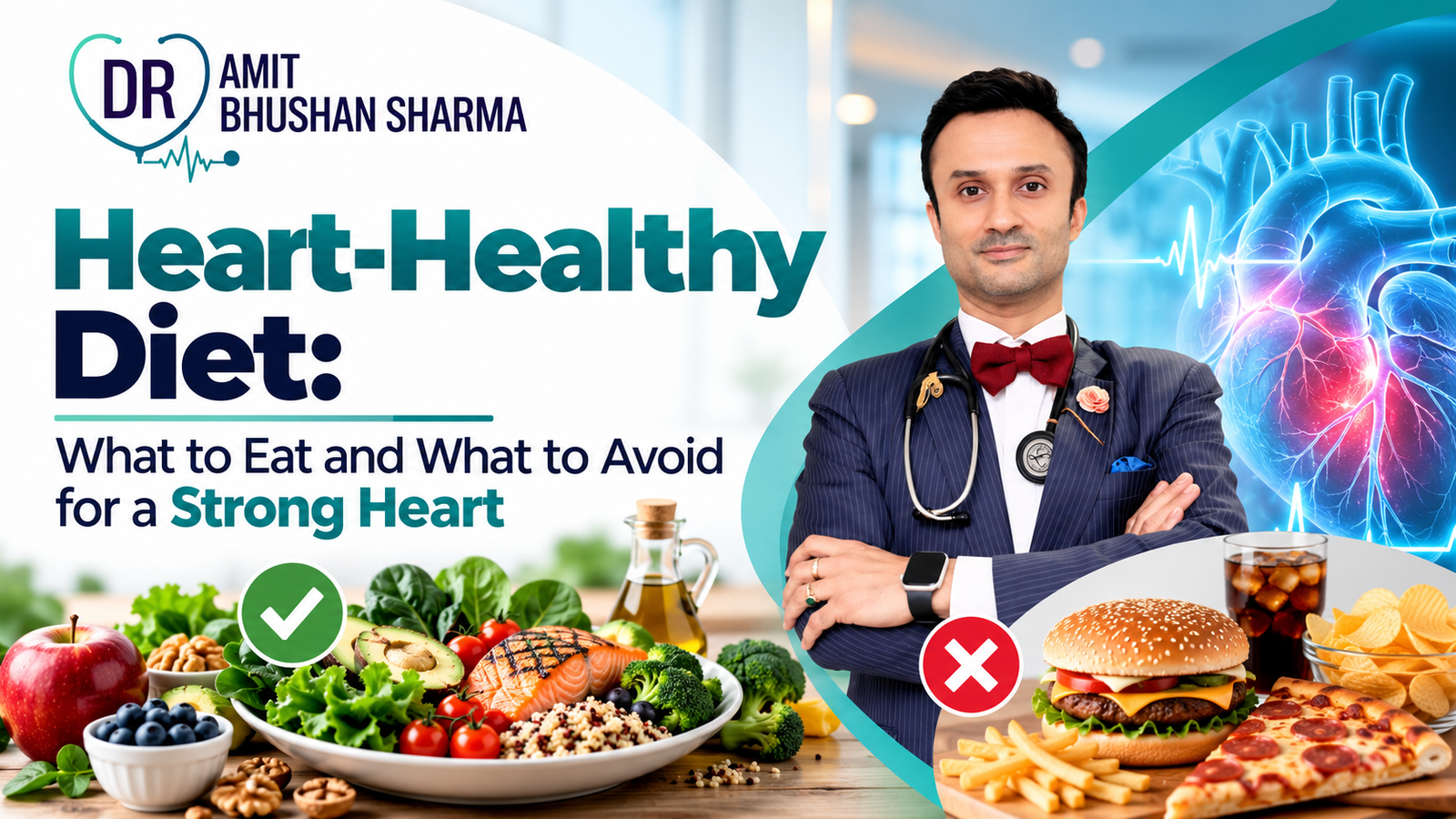
A heart-healthy diet can help manage blood pressure, improve cholesterol levels, support healthy body weight, and reduce the risk of cardiovascular diseases. The good news is that eating for a healthy heart does not mean giving up all your favourite foods. It means making balanced choices, controlling portions, and limiting foods high in excess salt, added sugar, and unhealthy fats.
If you want to improve your heart health, this guide explains what to eat, what to avoid, and how to develop healthier eating habits with guidance from a qualified cardiologist.
Why Is a Heart-Healthy Diet Important?
Unhealthy eating habits can contribute to high blood pressure, elevated LDL (bad) cholesterol, obesity, and type 2 diabetes. Over time, these risk factors can increase the likelihood of coronary artery disease, heart attacks, stroke, and other cardiovascular problems.
A balanced diet rich in vegetables, fruits, whole grains, legumes, nuts, and healthy fats supports cardiovascular health. Choosing minimally processed foods and reducing excessive salt, sugar, and saturated fats can also help manage important heart disease risk factors.
A heart-healthy diet is not a temporary weight-loss plan. It is a sustainable eating pattern that you can follow throughout life.
What to Eat for a Healthy Heart
1. Fresh Fruits and Vegetables
Fruits and vegetables provide essential vitamins, minerals, antioxidants, and dietary fibre. Fibre-rich foods can support cholesterol management, while potassium-containing foods can contribute to healthy blood pressure in many people.
Include a variety of seasonal fruits and vegetables in your daily meals, such as:
- Apples, oranges, guavas, and papayas
- Spinach, broccoli, carrots, and cabbage
- Tomatoes, cucumbers, and capsicum
- Pumpkin, beans, and other seasonal vegetables
Healthy tip: Choose whole fruits instead of fruit juice whenever possible because whole fruits retain more dietary fibre. Wash fresh produce thoroughly before eating.
2. Whole Grains
Whole grains contain more fibre and nutrients than many refined grain products. Replacing some refined grains with whole grains can help support cholesterol management and overall cardiovascular health.
Good options include:
- Whole-wheat roti
- Oats and oatmeal
- Brown rice
- Barley and millets such as jowar and bajra
- Whole-grain bread
For an Indian diet, you can start by replacing some white rice or refined-flour products with whole-grain alternatives. Portion sizes should reflect your individual calorie needs and blood glucose levels.
3. Nuts and Seeds
Unsalted nuts and seeds provide unsaturated fats, fibre, protein, and other beneficial nutrients. When eaten in appropriate portions, they can be part of a heart-healthy diet.
Consider including:
- Almonds
- Walnuts
- Pistachios
- Flaxseeds
- Chia seeds
- Pumpkin seeds
Choose plain, unsalted varieties instead of heavily salted or sugar-coated products. Nuts are energy-dense, so moderate portions are important.
4. Healthy Sources of Protein
Protein helps maintain muscles and supports normal body functions. For heart health, prioritise plant-based proteins and choose lean animal proteins when appropriate.
Heart-friendly protein sources include:
- Dal, lentils, and chickpeas
- Rajma and other beans
- Unsalted nuts and seeds
- Tofu and other suitable soy products
- Skinless chicken
- Fish
- Low-fat milk and curd
Replacing some fatty or processed meats with beans, lentils, or other plant-based proteins can help reduce saturated fat intake while increasing dietary fibre.
5. Healthy Fats
Not all fats are harmful. Unsaturated fats can be a healthier replacement for saturated fats when used as part of a balanced diet.
Sources include:
- Mustard oil
- Groundnut oil
- Canola oil
- Olive oil
- Nuts and seeds
- Fatty fish containing omega-3 fatty acids
Use cooking oils in moderate quantities. Avoid assuming that a food becomes heart-healthy simply because it contains plant-based oil; the overall ingredients, cooking method, and portion size also matter.
6. Fibre-Rich Foods
Dietary fibre supports digestion and can help improve cholesterol levels, especially when soluble fibre is included regularly.
Good sources include oats, beans, lentils, fruits, vegetables, barley, and whole grains.
Try adding dal to meals, eating whole fruit as a snack, and including vegetables at lunch and dinner. Increase fibre gradually and drink adequate fluids unless your doctor has advised fluid restriction.
7. Water and Unsweetened Beverages
Water is a good everyday beverage. Unsweetened tea and coffee can also fit into a balanced diet for many adults.
Try to replace sugary soft drinks, sweetened packaged beverages, and excessive amounts of sweetened tea or coffee with water or other unsweetened options.
People with heart failure or certain kidney conditions may need specific fluid guidance from their treating doctor.
What Foods Should You Avoid or Limit for Better Heart Health?
No single food determines your cardiovascular health. However, regularly consuming foods high in sodium, added sugar, saturated fat, and trans fat can make it harder to manage important risk factors.
1. Foods High in Salt
Excess sodium can raise blood pressure, particularly in people who are salt-sensitive or already have hypertension.
Limit foods such as:
- Packaged chips and salty snacks
- Pickles and papad eaten in excess
- Instant noodles and packaged soups
- Processed meats
- Salt-heavy sauces and ready-made meals
- Restaurant foods containing excessive salt
Use herbs, lemon, garlic, ginger, and spices to enhance flavour without adding too much salt. Check nutrition labels on packaged foods, as sodium can be present even when a product does not taste especially salty.
2. Foods High in Saturated and Trans Fats
Saturated fats can raise LDL cholesterol, while industrial trans fats are particularly harmful to cardiovascular health.
Limit foods such as:
- Excessive butter and ghee
- Fatty cuts of meat
- Processed meats such as sausages and salami
- Deep-fried snacks
- Bakery products made with unhealthy fats
- Foods containing partially hydrogenated oils
You do not necessarily need to eliminate every traditional food from your diet. Instead, review how frequently you consume these foods, the portion sizes, and whether healthier alternatives can be used.
3. Sugary Foods and Drinks
Excessive added sugar can contribute to weight gain, poor blood glucose control, and higher cardiovascular risk.
Reduce your intake of:
- Sugary soft drinks
- Packaged fruit drinks with added sugar
- Cakes, pastries, and biscuits
- Sweets and desserts eaten frequently
- Sweetened breakfast cereals
- Tea and coffee with large amounts of sugar
Choose whole fruits more often than sugary desserts, and gradually reduce the amount of sugar added to beverages.
4. Highly Processed Foods
Many highly processed foods contain a combination of excess sodium, added sugar, refined carbohydrates, and unhealthy fats.
Examples include some instant meals, packaged snacks, fast-food burgers, processed meat products, and ready-to-eat meals.
Read ingredient lists and nutrition labels rather than relying only on words such as “natural,” “multigrain,” or “low-fat” on the packaging. Choose minimally processed foods more often.
5. Excessive Refined Carbohydrates
Refined carbohydrates, including products made mainly from maida, provide less fibre than whole-grain alternatives. Consuming large portions regularly may make weight and blood glucose management more difficult.
Limit frequent consumption of:
- Maida-based breads and bakery products
- Large portions of refined-flour snacks
- Sugary breakfast cereals
- Large servings of white rice without adequate vegetables or protein
You can still include rice and roti in a balanced diet. Focus on portion control, whole-grain choices where practical, and combining carbohydrates with vegetables and protein.
6. Excessive Alcohol
Alcohol is not necessary for heart health. If you do not drink, there is no need to start for cardiovascular benefits. If you drink, discuss the risks with your doctor, particularly if you have high blood pressure, an arrhythmia, heart failure, or take medicines that may interact with alcohol.
A Simple Indian Heart-Healthy Diet Plan
You do not need expensive foods or a complicated meal plan to eat better. Traditional Indian meals can be adapted to support cardiovascular health.
| Meal | Heart-healthy food options |
|---|---|
| Early morning | Water; unsweetened tea if preferred |
| Breakfast | Vegetable oats, vegetable poha with limited oil, or whole-wheat vegetable cheela |
| Mid-morning | One serving of whole fruit |
| Lunch | Roti or a moderate portion of rice, dal, seasonal vegetables, and salad |
| Evening snack | A small portion of unsalted nuts, roasted chana, or a suitable whole-food snack |
| Dinner | Dal, vegetables, whole-wheat roti, and curd if suitable |
| Beverages | Water and unsweetened drinks |
This is an illustrative plan, not an individual prescription. Food quantities and choices should be adjusted according to age, activity level, diabetes, kidney function, body weight, and other medical conditions.
Practical Tips to Make Your Diet More Heart-Friendly
Small, consistent changes can make healthy eating easier to maintain.
Cook more meals at home: This gives you better control over salt, oil, sugar, and portion sizes.
Plan balanced plates: Include vegetables, a suitable protein source, and whole grains in appropriate proportions.
Read food labels: Compare sodium, added sugar, saturated fat, serving sizes, and ingredient lists.
Choose healthier cooking methods: Prefer steaming, boiling, baking, grilling, or cooking with moderate amounts of oil instead of frequent deep-frying.
Manage portion sizes: Even nutritious foods can contribute to excess calorie intake when portions are consistently too large.
Combine diet with other healthy habits: Regular physical activity, adequate sleep, avoiding tobacco, and managing stress also support cardiovascular health.
Who Should Follow a Special Heart-Healthy Diet?
A balanced heart-healthy eating pattern can benefit many people. However, some individuals need more personalised dietary advice.
People with High Blood Pressure
Reducing excessive sodium intake and choosing balanced, minimally processed foods can help with blood pressure management. Your doctor may recommend specific sodium targets depending on your health.
People with High Cholesterol
Replacing saturated fats with unsaturated fats, eating more fibre-rich foods, and choosing plant-based proteins can help improve cholesterol levels. Some people also need medication alongside lifestyle changes.
People with Diabetes
Meal planning should consider carbohydrate portions, blood glucose levels, medications, and other cardiovascular risk factors. A dietitian or treating doctor can help develop an appropriate plan.
People with Existing Heart Disease
People who have had a heart attack, undergone angioplasty, received a stent, or live with heart failure should follow the dietary advice given by their treating team. Fluid, sodium, and other nutritional requirements may vary according to their condition and treatment.
When Should You Consult a Cardiologist?
Dietary changes are an important part of cardiovascular prevention, but they do not replace medical evaluation or prescribed treatment.
Consult a cardiologist if you have persistent chest discomfort, unexplained breathlessness, palpitations, dizziness, high blood pressure, abnormal cholesterol, or a family history of premature heart disease.
Seek emergency medical attention immediately if you experience sudden chest pain or pressure, severe difficulty breathing, cold sweating, or fainting. Do not delay emergency care while trying dietary remedies.
Consult Dr. Amit Bhushan Sharma for Heart Health Guidance
Understanding your cardiovascular risk factors is an important step towards long-term heart health. Dr. Amit Bhushan Sharma is a cardiologist and Director and Unit Head of Cardiology at Paras Hospitals, Gurugram, with expertise in interventional cardiology and advanced cardiac procedures.
If you have concerns about your heart health, high blood pressure, cholesterol, or an existing cardiac condition, a consultation can help you understand the appropriate evaluation and treatment options.
Doctor: Dr. Amit Bhushan Sharma
Speciality: Cardiology and Interventional Cardiology
Hospital: Paras Hospitals, Gurugram
Address: C-1, Sushant Lok-1, Sector 43, Gurugram, Haryana – 122002
Website: https://amitsharmacardiologist.com/
Visit the website to enquire about appointments and confirm current consultation details.
Frequently Asked Questions (FAQs)
1. What is the best diet for a healthy heart?
A heart-healthy diet includes vegetables, fruits, whole grains, beans, lentils, nuts, seeds, healthy oils, and suitable lean protein sources. It limits excess sodium, added sugar, saturated fat, trans fat, and highly processed foods.
2. Which foods are good for heart health?
Oats, leafy vegetables, apples, guavas, beans, lentils, walnuts, almonds, seeds, and suitable fish options can form part of a balanced heart-healthy diet. The overall eating pattern matters more than any single food.
3. Which foods should I avoid if I have high cholesterol?
Limit foods high in saturated fat, such as fatty meats, processed meats, and excessive butter or ghee. Replace them where possible with unsaturated fats, whole grains, legumes, vegetables, and other fibre-rich foods. Your doctor may also recommend cholesterol-lowering medication.
4. Is ghee good or bad for heart health?
Ghee contains saturated fat, which can raise LDL cholesterol when consumed in excess. It is best to use it sparingly and include unsaturated fats from suitable plant oils, nuts, and seeds as part of a balanced diet.
5. Is rice safe for people with heart disease?
Rice can be included in a heart-healthy diet. Pay attention to portion size and balance it with vegetables, legumes, and suitable protein sources. People with diabetes may need additional guidance on carbohydrate portions.
6. Can diet alone prevent heart disease?
A healthy diet can reduce important cardiovascular risk factors, but it cannot guarantee that heart disease will be prevented. Genetics, age, medical conditions, physical activity, smoking, and other factors also affect risk. Some people require medication and regular medical monitoring.
7. How much salt should I eat daily for a healthy heart?
Your sodium needs depend on your health and your doctor’s advice. Many heart-health guidelines recommend limiting sodium intake; the appropriate target may be lower for some people with hypertension or heart failure. Remember to include salt from packaged and restaurant foods when assessing total intake.
8. Can people with heart disease eat eggs?
Eggs can fit into some balanced diets, but the appropriate amount depends on the person’s overall diet, cholesterol levels, diabetes status, and cardiovascular risk. Discuss individual dietary limits with your doctor or dietitian rather than applying a single rule to everyone.
9. Does drinking water improve heart health?
Adequate hydration supports normal body functions, but drinking extra water does not directly prevent or treat heart disease. People with certain heart or kidney conditions may need to restrict fluids according to medical advice.
10. When should I consult Dr. Amit Bhushan Sharma?
Consider a consultation if you have cardiovascular symptoms, high blood pressure, high cholesterol, an existing heart condition, or concerns about your heart disease risk. For emergency symptoms such as sudden chest pain or severe breathlessness, seek emergency medical care immediately.
Conclusion
A strong heart begins with consistent, balanced lifestyle choices. Eating more vegetables, fruits, whole grains, legumes, nuts, and healthy fats while limiting excess salt, added sugar, and unhealthy fats can help support cardiovascular health.
There is no single miracle food or diet that replaces comprehensive medical care. Combine healthy eating with physical activity, regular check-ups, and appropriate management of blood pressure, cholesterol, and diabetes.
For personalised advice about cardiovascular health, consult a qualified cardiologist and follow a plan suited to your individual medical needs.