Heart health plays a vital role in maintaining overall well-being and quality of life. With increasing stress, sedentary lifestyles, unhealthy eating habits, diabetes, and high blood pressure, cardiovascular diseases are becoming a growing concern. Choosing an experienced cardiologist is essential for the early diagnosis, effective management, and treatment of heart-related conditions.
If you are searching for a top cardiologist in Gurgaon, Dr. Amit Bhushan Sharma is a specialist to consider for comprehensive cardiovascular care. He serves as the Director and Unit Head of Cardiology at Paras Hospitals, Gurugram, and has expertise in interventional cardiology, complex angioplasty, pacemaker implantation, and advanced structural heart procedures.
Why Choose a Top Cardiologist in Gurgaon?
The heart continuously supplies oxygen-rich blood throughout the body. Any condition affecting its function can impact overall health. Regular cardiac check-ups, timely diagnosis, and appropriate treatment can help reduce complications and improve long-term heart health.
An experienced heart specialist can help patients with:
- Diagnosis and management of coronary artery disease
- Treatment of blocked arteries and heart attacks
- Management of high blood pressure and cholesterol
- Evaluation of irregular heart rhythms
- Treatment of heart valve disorders
- Pacemaker implantation and other cardiac device procedures
- Prevention and management of heart failure
- Preventive cardiology and long-term heart health monitoring
Consulting a qualified cardiologist in Gurgaon can help you understand your condition and choose an appropriate treatment plan based on your medical history, symptoms, and diagnostic findings.
Meet Dr. Amit Bhushan Sharma – Cardiologist in Gurgaon
Dr. Amit Bhushan Sharma is a senior cardiologist known for his work in interventional cardiology and advanced cardiac procedures. At Paras Hospitals, Gurugram, he provides care for patients with a range of cardiovascular conditions, including coronary artery disease, structural heart disease, heart rhythm disorders, and heart failure.
His medical qualifications include a DM in Cardiology from KEM Hospital, Mumbai, along with fellowships in interventional cardiology from Mount Sinai School of Medicine, New York, and electrophysiology, pacing, and devices from Michigan State University, USA.
His clinical expertise and focus on modern cardiac treatment techniques make him a relevant choice for patients seeking specialised heart care in Gurgaon.
Cardiac Conditions Treated by Dr. Amit Bhushan Sharma
1. Coronary Artery Disease
Coronary artery disease occurs when the blood vessels supplying the heart become narrowed or blocked, commonly because of plaque buildup. Symptoms may include chest discomfort, breathlessness, and reduced exercise tolerance.
Depending on the severity of the condition, treatment may involve lifestyle changes, medication, coronary angiography, angioplasty, or other interventions.
2. Angioplasty and Stenting
Angioplasty is a minimally invasive procedure used to open narrowed or blocked coronary arteries. A small balloon is used to widen the affected area, and a stent may be placed to help keep the artery open.
Dr. Amit Bhushan Sharma has experience in complex angioplasty and transradial angioplasty, which involves accessing the arteries through the wrist. The suitability of this approach depends on the patient’s condition and individual clinical factors.
3. Heart Valve Disorders and TAVR
Heart valve diseases can affect how blood flows through the heart. Patients may experience fatigue, breathlessness, chest discomfort, or dizziness, depending on the affected valve and the severity of the disease.
Transcatheter Aortic Valve Replacement (TAVR), also called TAVI, is a minimally invasive procedure used to treat selected patients with severe aortic valve disease. A cardiologist evaluates the patient’s overall health, imaging results, and procedural risks before recommending this treatment.
4. Heart Rhythm Disorders
Arrhythmias are conditions in which the heart beats too quickly, too slowly, or irregularly. Some are harmless, while others require medical evaluation and treatment.
Assessment may include an ECG, Holter monitoring, or other investigations. Treatment options depend on the type of arrhythmia and may include medication, specialised procedures, or cardiac devices.
5. Pacemaker Implantation
A pacemaker is a device that helps regulate the heartbeat when the heart’s natural electrical system does not function properly.
Depending on the diagnosis, a patient may be suitable for a conventional pacemaker or a leadless pacemaker. Leadless devices are placed inside the heart through a catheter and do not require traditional pacing leads.
6. Heart Failure Management
Heart failure occurs when the heart cannot pump blood effectively enough to meet the body’s needs. Common symptoms include breathlessness, swelling in the legs, fatigue, and difficulty lying flat.
Treatment may involve medication, dietary and lifestyle guidance, regular monitoring, and selected device-based therapies. Early diagnosis and consistent follow-up are important for managing this condition.
Advanced Cardiac Care and Minimally Invasive Treatment
Modern cardiology offers several treatment options that may reduce the need for conventional open surgery in appropriately selected patients.
Depending on the condition, advanced cardiac procedures may include:
- Coronary angiography: Helps identify narrowing or blockages in the coronary arteries.
- Angioplasty and stenting: Restores blood flow through selected narrowed coronary arteries.
- TAVR/TAVI: Treats certain cases of aortic valve disease without conventional open-heart valve replacement.
- Pacemaker implantation: Helps manage selected heart rhythm and conduction disorders.
- ASD device closure: Closes certain atrial septal defects using a catheter-based device.
- MitraClip and related transcatheter therapies: May help selected patients with specific mitral valve conditions.
Not every patient is suitable for a minimally invasive procedure. A detailed assessment by the treating cardiac team is necessary to determine the safest and most appropriate option.
When Should You Consult a Cardiologist?
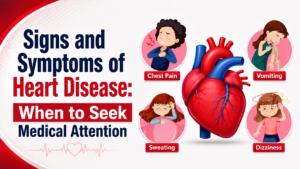
You should consider consulting a heart specialist if you experience persistent or unexplained symptoms such as:
- Chest pain, pressure, or tightness
- Breathlessness during routine activities
- Palpitations or an irregular heartbeat
- Dizziness, fainting, or unexplained weakness
- Swelling in the legs or ankles
- Unusual fatigue or reduced exercise tolerance
People with diabetes, hypertension, high cholesterol, obesity, smoking habits, or a family history of premature heart disease may also benefit from an individualised cardiac risk assessment.
Important: Sudden chest pain or pressure, severe breathlessness, cold sweating, or fainting may indicate a medical emergency. Seek emergency medical care immediately rather than waiting for a routine appointment.
Tips to Maintain a Healthy Heart
Alongside medical care, healthy daily habits can help reduce cardiovascular risk.
Eat a Balanced Diet
Include vegetables, fruits, whole grains, pulses, nuts, and other nutritious foods. Limit excess salt, trans fats, highly processed foods, and added sugars.
Stay Physically Active
Aim for regular physical activity appropriate to your age and health status. If you have an existing heart condition, consult your doctor before starting a new exercise programme.
Monitor Blood Pressure and Cholesterol
High blood pressure and abnormal cholesterol levels may not cause noticeable symptoms. Regular checks can help identify problems early.
Manage Diabetes
Keeping blood glucose within your recommended range can help lower the risk of cardiovascular complications.
Avoid Smoking
Smoking damages blood vessels and increases the risk of heart disease. Quitting can improve cardiovascular health.
Schedule Regular Check-Ups
A cardiologist can assess your risk factors and recommend investigations or preventive measures when necessary.
Book an Appointment with Dr. Amit Bhushan Sharma in Gurgaon
Finding the right cardiologist involves considering medical qualifications, relevant clinical experience, expertise in the required treatment, and access to appropriate diagnostic and hospital facilities.
Dr. Amit Bhushan Sharma provides specialised cardiac care at Paras Hospitals, Gurugram, for patients requiring evaluation and treatment of various cardiovascular conditions.
If you are looking for a top cardiologist in Gurgaon, you can contact his team to discuss your symptoms, arrange a consultation, and understand the treatment options appropriate for your condition.
Doctor: Dr. Amit Bhushan Sharma
Speciality: Cardiology and Interventional Cardiology
Hospital: Paras Hospitals, Gurugram
Address: C-1, Sushant Lok-1, Sector 43, Gurugram, Haryana – 122002
Phone: +91 93139 42093
Website: https://amitsharmacardiologist.com/
Contact the clinic to confirm current appointment availability and consultation timings.
Frequently Asked Questions (FAQs)
1. Who is a top cardiologist in Gurgaon?
Dr. Amit Bhushan Sharma is a senior cardiologist practising at Paras Hospitals, Gurugram. His areas of expertise include interventional cardiology, angioplasty, pacemaker implantation, and advanced structural heart procedures.
2. When should I visit a cardiologist?
You should consult a cardiologist if you experience chest discomfort, breathlessness, palpitations, dizziness, or unexplained fatigue. People with diabetes, high blood pressure, high cholesterol, or a family history of heart disease may also need a cardiac assessment.
3. What treatments does Dr. Amit Bhushan Sharma provide?
His areas of expertise include coronary angiography, angioplasty and stenting, heart rhythm disorder management, pacemaker implantation, TAVR/TAVI, structural heart disease procedures, and heart failure management.
4. Is angioplasty a major surgery?
Angioplasty is generally a minimally invasive catheter-based procedure rather than conventional open-heart surgery. It is used to open selected narrowed or blocked arteries. The risks, benefits, and recovery depend on the patient’s condition and the complexity of the procedure.
5. What is TAVR, and who needs it?
TAVR is a catheter-based procedure used to replace a diseased aortic valve in selected patients, particularly those with severe aortic stenosis. A specialist team determines suitability after reviewing symptoms, heart imaging, medical history, and procedural risks.
6. Can I consult a cardiologist for preventive heart care?
Yes. A cardiologist can assess cardiovascular risk factors, review blood pressure and cholesterol levels, evaluate relevant symptoms, and recommend appropriate preventive measures based on your personal health profile.
7. How can I book an appointment with Dr. Amit Bhushan Sharma?
You can visit https://amitsharmacardiologist.com/ or contact the clinic at +91 93139 42093 to enquire about appointments at Paras Hospitals, Gurugram.
Conclusion
Heart health requires timely attention, accurate diagnosis, and a treatment plan tailored to individual needs. Whether you need an evaluation for chest discomfort, management of a known heart condition, or advice on advanced cardiac procedures, consulting a qualified cardiologist is an important step.
Dr. Amit Bhushan Sharma offers specialised cardiovascular care at Paras Hospitals, Gurugram. If you are searching for a top cardiologist in Gurgaon, contact his team to discuss your cardiac health concerns and arrange a consultation.