Heart health is one of the most important aspects of overall well-being. With changing lifestyles, increasing stress, unhealthy eating habits, lack of physical activity, and rising cases of lifestyle-related diseases, heart problems are becoming a growing concern among people of different age groups.
Conditions such as coronary artery disease, high blood pressure, irregular heartbeat, heart valve disorders, and heart failure require timely diagnosis and appropriate medical attention. Choosing an experienced cardiologist is essential for accurate diagnosis, effective treatment planning, and long-term heart health management.
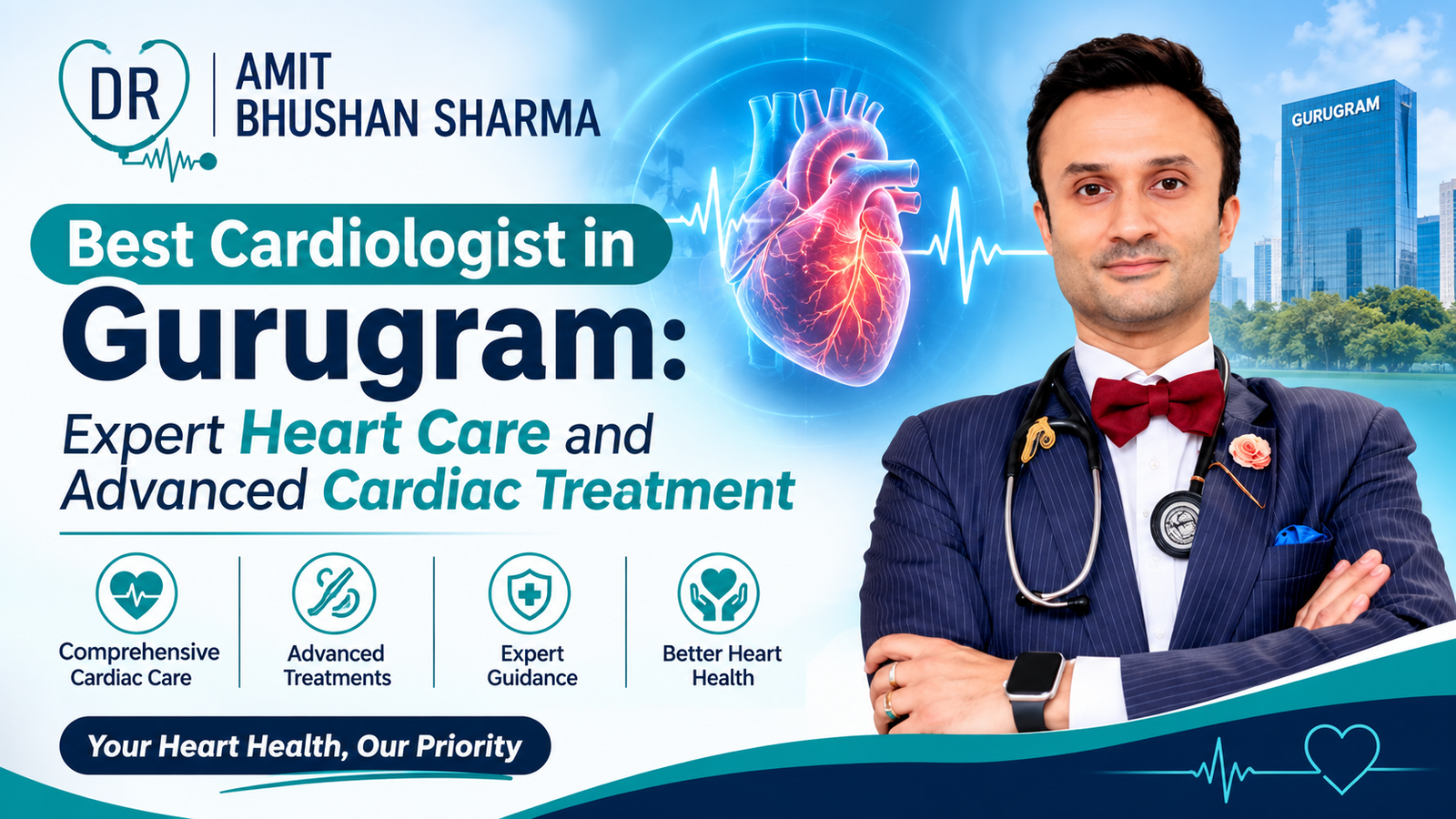
If you are searching for the best cardiologist in Gurugram, Dr. Amit Bhushan Sharma is a recognised name in interventional and advanced cardiology. As Director and Unit Head of Cardiology at Paras Hospitals, Gurugram, he specialises in complex coronary interventions, structural heart procedures, pacemaker implantation, and advanced cardiac treatments.
With over 20 years of experience and expertise in modern cardiac procedures, Dr. Amit Bhushan Sharma focuses on providing comprehensive and personalised heart care to patients.
Who Is a Cardiologist and When Should You Consult One?
A cardiologist is a medical specialist who diagnoses, treats, and manages diseases related to the heart and blood vessels.
You may need to consult a cardiologist if you experience symptoms such as:
- Chest pain, tightness, or discomfort.
- Shortness of breath during physical activity or at rest.
- Irregular or unusually fast heartbeat.
- Dizziness or unexplained fainting.
- Persistent fatigue or weakness.
- Swelling in the legs, ankles, or feet.
- High blood pressure.
- Unusually high cholesterol levels.
- A family history of heart disease.
People with diabetes, obesity, hypertension, and a family history of cardiovascular disease may also benefit from an appropriate cardiac risk assessment.
Important: Sudden chest pain or pressure, especially when accompanied by breathlessness, sweating, nausea, or pain spreading to the arm, back, or jaw, may indicate a heart attack. Seek emergency medical attention immediately rather than waiting for a routine appointment.
Why Is Choosing the Right Cardiologist Important?
Heart-related conditions can vary significantly in their severity and treatment requirements. Some patients may need medication and lifestyle modifications, while others may require specialised procedures such as angioplasty, pacemaker implantation, or valve interventions.
Choosing an experienced cardiologist offers several benefits:
- Accurate Diagnosis: Identifying the underlying cause of cardiac symptoms through clinical assessment and appropriate investigations.
- Personalised Treatment: Developing treatment plans based on the patient’s medical history, heart condition, and risk factors.
- Advanced Treatment Options: Access to appropriate modern cardiac procedures when clinically indicated.
- Long-Term Heart Care: Monitoring cardiovascular health and managing chronic conditions.
- Preventive Cardiology: Identifying risk factors and helping patients reduce their chances of developing serious heart problems.
A qualified cardiologist can help patients understand their condition and make informed decisions about their treatment.
Meet Dr. Amit Bhushan Sharma – Interventional Cardiologist in Gurugram
Dr. Amit Bhushan Sharma is an experienced interventional cardiologist associated with Paras Hospitals, Gurugram, where he serves as Director and Unit Head of Cardiology.
With over 20 years of experience in cardiology, he specialises in advanced cardiac interventions and the management of complex cardiovascular conditions.
His professional expertise includes:
- Interventional Cardiology.
- Coronary Angioplasty and Stenting.
- Complex Coronary Interventions.
- Transcatheter Aortic Valve Replacement (TAVR/TAVI).
- Pacemaker Implantation.
- Leadless Pacemaker Procedures.
- Structural Heart Disease Treatment.
- MitraClip Procedures.
- Cardiac Device Implantation.
- Pediatric Structural Heart Interventions.
Dr. Sharma has performed thousands of complex cardiac procedures, including transradial angioplasties and cardiac device implantations.
He is also recognised for his contributions to advanced cardiac interventions and training in the field of interventional cardiology.
Educational Qualifications and Professional Expertise
Dr. Amit Bhushan Sharma’s professional qualifications and international training include:
- DM in Cardiology from KEM Hospital, Mumbai.
- Fellowship in Interventional Cardiology from Mount Sinai School of Medicine, New York, USA.
- Fellowship training in Electrophysiology, Pacing, and Devices from Michigan State University, USA.
- Fellowship of the European Society of Cardiology (FESC).
- International Associate Fellowship of the Society for Cardiovascular Angiography and Interventions (FSCAI).
His academic and clinical experience supports his work in complex coronary and structural heart interventions.
Cardiac Conditions Treated by Dr. Amit Bhushan Sharma
Cardiovascular diseases can affect different parts of the heart, including the arteries, valves, muscles, and electrical conduction system.
Dr. Amit Bhushan Sharma provides specialised consultation and treatment for several cardiac conditions.
1. Coronary Artery Disease (CAD)
Coronary artery disease occurs when the blood vessels supplying the heart become narrowed or blocked due to plaque accumulation.
This can reduce blood flow to the heart muscle and increase the risk of a heart attack.
Common symptoms include:
- Chest pain or angina.
- Breathlessness.
- Fatigue during physical activity.
- Discomfort in the arms, shoulders, neck, or jaw.
Treatment depends on the severity of the blockage and may include medication, lifestyle changes, coronary angioplasty, or bypass surgery.
2. Heart Attack and Coronary Angioplasty
A heart attack occurs when blood flow to a part of the heart muscle becomes severely reduced or blocked.
Coronary angioplasty is a minimally invasive procedure used to open narrowed or blocked coronary arteries.
During the procedure, a thin catheter is inserted into a blood vessel and guided towards the affected artery. A balloon may be used to widen the narrowed area, and a stent may be placed to help maintain blood flow.
Dr. Amit Bhushan Sharma has extensive experience in transradial angioplasty, a technique in which the procedure is performed through an artery in the wrist.
This approach can offer advantages such as reduced access-site bleeding and improved patient mobility in suitable cases.
3. Heart Valve Disease
Heart valves regulate the flow of blood through different chambers of the heart. When a valve becomes narrowed or fails to close properly, it can affect normal cardiac function.
Common valve conditions include:
- Aortic Stenosis.
- Mitral Regurgitation.
- Mitral Stenosis.
- Aortic Regurgitation.
- Tricuspid Valve Disease.
Symptoms may include breathlessness, chest discomfort, fatigue, dizziness, and swelling in the legs.
Depending on the condition, treatment may involve medication, valve repair, or minimally invasive valve replacement procedures.
4. Structural Heart Disease
Structural heart disease refers to abnormalities in the heart’s valves, walls, chambers, or related structures.
Some conditions may be present from birth, while others develop later in life.
Examples include:
- Atrial Septal Defect (ASD).
- Ventricular Septal Defect (VSD).
- Patent Ductus Arteriosus (PDA).
- Heart Valve Abnormalities.
- Other Structural Heart Defects.
Selected structural heart conditions can be treated using catheter-based procedures without conventional open-heart surgery.
5. Cardiac Arrhythmias
Cardiac arrhythmia refers to an abnormal heart rhythm. It may cause the heart to beat too quickly, too slowly, or irregularly.
Common types include:
- Atrial Fibrillation.
- Bradycardia.
- Tachycardia.
- Heart Conduction Blocks.
Symptoms may include palpitations, dizziness, fatigue, breathlessness, and fainting.
Treatment depends on the type and severity of the rhythm disorder and may involve medication, cardiac monitoring, ablation, or device implantation.
6. Heart Failure
Heart failure occurs when the heart cannot pump blood efficiently enough to meet the body’s requirements.
Common symptoms include:
- Breathlessness.
- Persistent fatigue.
- Swelling in the feet and ankles.
- Difficulty breathing while lying down.
- Rapid weight gain due to fluid retention.
Treatment may include medication, lifestyle modifications, regular monitoring, and advanced cardiac device therapy in selected patients.
7. Pediatric Structural Heart Conditions
Certain heart conditions are present from birth and may require specialised cardiac evaluation and treatment.
Examples include ASD, VSD, and PDA.
Depending on the child’s age, condition, and severity, treatment may involve monitoring, medication, or catheter-based interventions.
Early diagnosis and appropriate specialist care are important for managing congenital heart conditions.
Advanced Cardiac Treatments Available
Modern cardiology has introduced several advanced procedures that help manage complex heart conditions through minimally invasive approaches.
Dr. Amit Bhushan Sharma has expertise in several advanced cardiac procedures.
1. Coronary Angiography and Angioplasty
Coronary angiography is a diagnostic procedure used to identify narrowing or blockages in the coronary arteries.
If significant blockages are identified, angioplasty may be recommended to restore blood flow.
It is commonly performed in patients with coronary artery disease and selected heart attack cases.
2. Transcatheter Aortic Valve Replacement (TAVR/TAVI)
TAVR is an advanced procedure used to treat severe aortic stenosis, a condition in which the aortic valve becomes narrowed and restricts blood flow from the heart.
Instead of conventional open-heart valve replacement, a new valve is delivered through a catheter, usually through an artery in the groin.
Potential advantages in suitable patients include:
- Avoiding conventional open-heart surgery.
- Smaller access site.
- Shorter recovery period in many cases.
- Improved treatment options for selected high-risk patients.
Dr. Amit Bhushan Sharma has expertise in TAVR and is recognised for his work in performing this procedure without general anaesthesia in selected cases.
3. Leadless Pacemaker Implantation
A pacemaker is a small device that helps regulate the heartbeat when the heart’s natural electrical system does not function properly.
Traditional pacemakers generally involve a pulse generator placed under the skin and leads connected to the heart.
A leadless pacemaker is a compact device implanted directly inside the heart through a catheter-based procedure.
Potential advantages include:
- No conventional chest incision.
- No chest pocket for the device.
- No traditional pacing leads.
- Reduced lead-related complications.
However, leadless pacemakers are suitable only for selected patients, depending on their specific rhythm disorder and clinical requirements.
4. MitraClip Procedure
MitraClip is a minimally invasive catheter-based procedure used for selected patients with significant mitral regurgitation.
The procedure uses a small clip to help the mitral valve close more effectively and reduce backward blood flow.
It may be considered for patients who are at high risk for conventional surgery or meet specific clinical criteria.
5. Pacemaker, AICD and CRT-D Implantation
Different cardiac devices are used to manage specific heart rhythm and heart failure conditions.
Pacemaker: Helps regulate a heartbeat that is too slow.
AICD (Automated Implantable Cardioverter Defibrillator): Detects and treats certain dangerous heart rhythms that can lead to sudden cardiac arrest.
CRT-D (Cardiac Resynchronisation Therapy Defibrillator): Combines resynchronisation therapy with defibrillator functionality for selected patients with heart failure and electrical conduction abnormalities.
The choice of device depends on the patient’s heart rhythm, heart function, and overall medical condition.
6. Complex Angioplasty and Shockwave Intravascular Lithotripsy
Some patients develop heavily calcified blockages in their coronary arteries, making angioplasty more challenging.
Intravascular lithotripsy uses specialised shockwave technology to modify calcium within the artery, helping prepare the vessel for further treatment.
It may be used in selected complex coronary interventions.
What Diagnostic Tests Help Evaluate Heart Health?
Accurate diagnosis is an important part of cardiac treatment. A cardiologist may recommend different investigations depending on symptoms, medical history, and clinical findings.
Common cardiac tests include:
| Test | Purpose |
|---|---|
| ECG | Records the electrical activity of the heart |
| 2D Echocardiography | Evaluates heart structure, pumping function, and valves |
| TMT | Assesses the heart’s response to exercise |
| Holter Monitoring | Records heart rhythm over an extended period |
| Ambulatory BP Monitoring | Tracks blood pressure throughout the day |
| ELR Monitoring | Helps identify intermittent rhythm abnormalities |
| Coronary Angiography | Evaluates coronary artery blockages |
Not every patient needs all these tests. The cardiologist recommends investigations based on individual symptoms and risk factors.
How to Choose the Best Cardiologist in Gurugram?
Finding the right heart specialist is an important decision, especially when dealing with complex cardiovascular conditions.
Consider the following factors before selecting a cardiologist:
1. Medical Qualifications: Check the doctor’s medical education, DM Cardiology qualification, fellowships, and professional certifications.
2. Clinical Experience: Consider experience in diagnosing and treating the specific heart condition you are facing.
3. Specialisation: For complex coronary blockages, structural heart conditions, or rhythm disorders, look for relevant specialist expertise.
4. Advanced Treatment Facilities: Access to appropriate diagnostic facilities, catheterisation laboratories, and cardiac care teams is important.
5. Patient Communication: A good cardiologist should explain the diagnosis, treatment options, possible risks, and expected follow-up clearly.
6. Long-Term Cardiac Care: Heart health often requires ongoing monitoring, medication management, and lifestyle guidance.
Why Choose Dr. Amit Bhushan Sharma for Heart Treatment in Gurugram?
Dr. Amit Bhushan Sharma is an experienced interventional cardiologist known for his work in advanced coronary and structural heart procedures.
Some of the key highlights of his professional profile include:
- Over 20 years of experience in cardiology.
- Director and Unit Head of Cardiology at Paras Hospitals, Gurugram.
- Extensive experience in transradial coronary angioplasty.
- Expertise in TAVR/TAVI procedures.
- Experience in pacemaker, AICD, and CRT-D implantation.
- Expertise in advanced structural heart interventions.
- International fellowship training in interventional cardiology and electrophysiology.
- Professional involvement in cardiac education and training.
- Patient-focused approach to cardiac evaluation and treatment planning.
His expertise covers both routine cardiovascular consultations and advanced interventional procedures.
Tips to Maintain a Healthy Heart
Along with regular cardiac check-ups, healthy lifestyle habits play an important role in reducing cardiovascular risk.
Here are some practical heart-health recommendations:
- Eat a Balanced Diet: Include vegetables, fruits, whole grains, pulses, nuts, and healthy fats in your meals.
- Exercise Regularly: Aim for at least 150 minutes of moderate-intensity physical activity per week, if medically appropriate.
- Monitor Blood Pressure: Regular monitoring helps identify and manage hypertension.
- Control Cholesterol: Keep cholesterol levels within the recommended range.
- Manage Diabetes: Proper blood sugar management is important for cardiovascular health.
- Avoid Smoking: Smoking increases the risk of coronary artery disease and other cardiovascular conditions.
- Maintain a Healthy Weight: Managing body weight can help reduce several cardiac risk factors.
- Manage Stress: Relaxation techniques, adequate sleep, and physical activity can support overall well-being.
- Get Regular Health Check-ups: Consult a healthcare professional based on your age, medical history, and cardiovascular risk.
If you already have a heart condition, consult your cardiologist before starting a new exercise programme or making significant lifestyle changes.
Book an Appointment with Dr. Amit Bhushan Sharma – Cardiologist in Gurugram
Heart health should never be ignored. Whether you are experiencing chest discomfort, irregular heartbeat, breathlessness, high blood pressure, or have been diagnosed with a cardiovascular condition, timely medical evaluation is important.
Dr. Amit Bhushan Sharma provides specialised cardiac consultation and advanced interventional cardiology services at Paras Hospitals, Gurugram.
From coronary artery disease and angioplasty to TAVR, pacemaker implantation, structural heart interventions, and heart rhythm disorders, patients can consult him for appropriate cardiac evaluation and treatment planning.
If you are looking for an experienced cardiologist in Gurugram, schedule a consultation with Dr. Amit Bhushan Sharma to discuss your heart health concerns.
Take care of your heart. Schedule your cardiac consultation today!
Contact Details
Doctor: Dr. Amit Bhushan Sharma
Designation: Director and Unit Head – Cardiology
Hospital: Paras Hospitals, Gurugram
Address: Paras Hospitals, C-1, Sushant Lok-1, Sector 43, Phase 1, Gurugram, Haryana – 122002.
Contact Number: +91 93139 42093
Email: sharmadramitbhushan@gmail.com
Website: https://amitsharmacardiologist.com/
Frequently Asked Questions (FAQs)
1. Who is the best cardiologist in Gurugram?
Dr. Amit Bhushan Sharma is an experienced interventional cardiologist and Director and Unit Head of Cardiology at Paras Hospitals, Gurugram. He specialises in coronary angioplasty, TAVR, pacemaker implantation, structural heart interventions, and complex cardiac procedures.
2. When should I consult a cardiologist?
You should consult a cardiologist if you experience chest discomfort, breathlessness, irregular heartbeat, dizziness, unexplained fatigue, or swelling in your legs. People with diabetes, high blood pressure, high cholesterol, or a family history of heart disease may also need cardiac evaluation.
3. What is the difference between a cardiologist and an interventional cardiologist?
A cardiologist diagnoses and manages heart-related conditions through medical treatment and preventive care. An interventional cardiologist also specialises in minimally invasive catheter-based procedures such as angioplasty, stenting, and selected structural heart interventions.
4. What is TAVR treatment?
Transcatheter Aortic Valve Replacement (TAVR) is a minimally invasive procedure used to treat severe aortic valve narrowing. A replacement valve is delivered through a catheter without conventional open-heart surgery.
5. What is the difference between angiography and angioplasty?
Angiography is a diagnostic procedure used to examine the coronary arteries and identify blockages. Angioplasty is a treatment procedure used to open narrowed or blocked arteries, often involving balloon inflation and stent placement.
6. What is a leadless pacemaker?
A leadless pacemaker is a small cardiac device implanted directly inside the heart through a catheter. Unlike traditional pacemakers, it does not require conventional pacing leads or a chest pocket.
7. Can heart valve disease be treated without open-heart surgery?
Certain heart valve conditions can be treated using minimally invasive procedures such as TAVR or MitraClip. However, treatment suitability depends on the valve condition, severity, anatomy, and overall health of the patient.
8. Which tests are commonly recommended by cardiologists?
Common cardiac investigations include ECG, echocardiography, TMT, Holter monitoring, ambulatory blood pressure monitoring, and coronary angiography. The tests depend on the patient’s symptoms and medical history.
9. Where does Dr. Amit Bhushan Sharma consult in Gurugram?
Dr. Amit Bhushan Sharma is associated with Paras Hospitals, C-1, Sushant Lok-1, Sector 43, Phase 1, Gurugram, Haryana – 122002.
10. How can I book an appointment with Dr. Amit Bhushan Sharma?
You can call +91 93139 42093 or visit https://amitsharmacardiologist.com/ to enquire about consultation availability and appointments.