High blood pressure is one of the most common health conditions, yet many people do not realise they have it until it starts affecting their overall health. Often called a silent condition, hypertension can gradually damage blood vessels and place additional strain on the heart without causing noticeable symptoms.
Whether you are a working professional dealing with stress, an older adult, or someone with diabetes or high cholesterol, keeping your blood pressure under control is essential for maintaining long-term cardiovascular health.
Uncontrolled hypertension can increase the risk of coronary artery disease, heart attack, heart failure, stroke, and other serious complications.
If you are looking for a cardiologist in Gurgaon for high blood pressure treatment, understanding the connection between hypertension and heart health is an important first step.
In this article, Dr. Amit Bhushan Sharma explains how high blood pressure affects the heart, its warning signs, risk factors, diagnosis, and available treatment options.
What Is High Blood Pressure (Hypertension)?
Blood pressure is the force exerted by circulating blood against the walls of the arteries.
It is measured using two numbers:
- Systolic Blood Pressure: The pressure in the arteries when the heart contracts and pumps blood.
- Diastolic Blood Pressure: The pressure in the arteries when the heart relaxes between beats.
A blood pressure reading is expressed in millimetres of mercury (mmHg).
According to the World Health Organization (WHO), hypertension in adults is generally diagnosed when blood pressure readings on two different days show systolic pressure of 140 mmHg or higher and/or diastolic pressure of 90 mmHg or higher.
Blood pressure categories and treatment targets may differ according to individual health conditions and applicable clinical guidelines.
The important thing to remember is that a single elevated reading does not necessarily confirm hypertension. Proper measurement and medical evaluation are important.
How Does High Blood Pressure Affect Your Heart?
Your heart continuously pumps blood throughout your body. When blood pressure remains elevated for a prolonged period, the heart has to work harder to push blood through the arteries.
Over time, this additional workload can affect the heart muscle and blood vessels.
Here are some ways uncontrolled hypertension can affect cardiovascular health.
1. Thickening of the Heart Muscle
When the heart repeatedly pumps against increased pressure, its muscular walls may become thicker.
This condition is known as left ventricular hypertrophy (LVH).
Initially, the heart muscle may become thicker as an adaptation to increased workload. However, over time, this can make the heart less flexible and affect its ability to fill and pump blood efficiently.
2. Increased Risk of Coronary Artery Disease
Long-term high blood pressure can damage the inner lining of arteries.
This damage can contribute to the development of atherosclerosis, a condition in which plaque made up of cholesterol, fats, and other substances builds up inside the arteries.
When coronary arteries become narrowed or blocked, the supply of oxygen-rich blood to the heart muscle may decrease.
This can increase the risk of angina and heart attack.
3. Increased Risk of Heart Failure
Uncontrolled hypertension makes the heart work harder over an extended period.
Eventually, the heart may become stiff, enlarged, or weakened, affecting its ability to pump blood effectively.
This can contribute to heart failure, a condition in which the heart cannot meet the body’s blood circulation requirements adequately.
4. Increased Risk of Irregular Heartbeat
High blood pressure can contribute to structural changes in the heart and increase the risk of certain rhythm disorders, including atrial fibrillation.
An irregular heartbeat may cause palpitations, dizziness, or breathlessness and requires appropriate medical evaluation.
5. Damage to Blood Vessels
Persistent high blood pressure can damage blood vessel walls and increase the risk of complications affecting other organs, including the brain and kidneys.
This is why managing hypertension is important not only for heart health but also for overall well-being.
What Are the Common Symptoms of High Blood Pressure?
One of the biggest challenges with hypertension is that most people do not experience obvious symptoms.
A person may have elevated blood pressure for years without knowing it.
However, severely elevated blood pressure may sometimes be associated with symptoms such as:
- Severe headache.
- Chest pain or pressure.
- Difficulty breathing.
- Blurred vision.
- Dizziness.
- Confusion.
- Nausea or vomiting.
These symptoms should never be ignored, particularly when blood pressure is extremely high.
Important: If your blood pressure is around 180/120 mmHg or higher, repeat the measurement after at least one minute. If it remains this high, seek urgent medical advice. If you also experience chest pain, breathlessness, weakness, difficulty speaking, confusion, or vision changes, seek emergency medical attention immediately.
Do not wait for symptoms to appear before getting your blood pressure checked.
What Causes High Blood Pressure?
Hypertension can develop due to several lifestyle, genetic, and medical factors.
Some of the common risk factors include:
1. Excessive Salt Consumption
Consuming too much sodium can contribute to increased blood pressure, particularly in people who are salt-sensitive.
Frequent consumption of packaged snacks, processed foods, pickles, and high-sodium meals may increase daily salt intake.
2. Physical Inactivity
A sedentary lifestyle can contribute to weight gain, poor cardiovascular fitness, and increased blood pressure.
Regular physical activity supports healthy circulation and overall heart function.
3. Obesity and Excess Weight
Excess body weight can increase the workload on the heart and contribute to hypertension.
Maintaining a healthy weight can help improve blood pressure control.
4. Chronic Stress
Long-term stress can influence blood pressure through physiological responses and associated lifestyle habits, including poor sleep, unhealthy eating, and physical inactivity.
Stress management is an important part of maintaining cardiovascular health.
5. Smoking and Tobacco Consumption
Smoking damages blood vessels and increases cardiovascular risk.
Quitting tobacco is an important step towards protecting heart health.
6. Diabetes and High Cholesterol
People with diabetes or high cholesterol may have an increased risk of cardiovascular complications, particularly when hypertension is also present.
Managing these conditions together is important for reducing overall cardiac risk.
7. Family History and Age
A family history of hypertension can increase susceptibility.
The risk of developing high blood pressure also tends to increase with age.
How Is High Blood Pressure Diagnosed?
Regular blood pressure monitoring is one of the most effective ways to identify hypertension.
A cardiologist may recommend different assessments depending on the patient’s medical history, symptoms, and cardiovascular risk factors.
1. Blood Pressure Measurement
Blood pressure is measured using a blood pressure monitor with an appropriately sized cuff.
Measurements may be taken during multiple visits to confirm whether blood pressure remains elevated.
Home blood pressure monitoring may also be recommended.
2. Electrocardiogram (ECG)
An ECG records the electrical activity of the heart.
It can help identify certain rhythm abnormalities and signs that may suggest changes in heart function.
3. 2D Echocardiography
An echocardiogram uses ultrasound to assess the heart’s structure and pumping function.
It can help identify thickening of the heart muscle and certain complications associated with hypertension.
4. Blood Tests
Blood investigations may help evaluate cholesterol levels, blood glucose, kidney function, and other factors that influence cardiovascular health.
5. Holter Monitoring
If a patient experiences palpitations or suspected rhythm abnormalities, a Holter monitor may be recommended to record the heart’s electrical activity over an extended period.
Not every patient requires all these investigations. The cardiologist selects appropriate tests according to the clinical findings.
How Can You Control High Blood Pressure?
Managing hypertension usually requires a combination of healthy lifestyle habits, regular monitoring, and medication when prescribed.
Here are some important steps that can support better blood pressure control.
1. Follow a Heart-Healthy Diet
A balanced diet can support cardiovascular health.
Include:
- Fresh fruits and vegetables.
- Whole grains.
- Pulses and legumes.
- Nuts and seeds.
- Appropriate sources of lean protein.
Reduce excessive salt consumption, highly processed foods, and foods rich in saturated and trans fats.
2. Exercise Regularly
Regular physical activity can improve cardiovascular fitness and help manage blood pressure.
Suitable activities may include:
- Brisk walking.
- Cycling.
- Swimming.
- Light jogging.
- Supervised strength training.
For many adults, a target of at least 150 minutes of moderate-intensity aerobic activity per week is recommended.
However, people with existing heart conditions or uncontrolled blood pressure should discuss suitable exercise levels with their doctor.
3. Maintain a Healthy Weight
Losing excess weight, when appropriate, can help improve blood pressure and reduce the workload on the heart.
Even gradual lifestyle improvements can be beneficial.
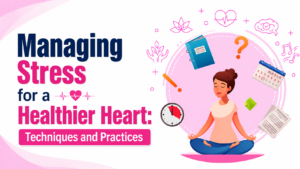
4. Manage Stress
Chronic stress can make healthy routines more difficult to maintain.
Consider incorporating relaxation techniques such as:
- Deep breathing.
- Meditation.
- Yoga.
- Walking outdoors.
- Adequate sleep.
5. Avoid Smoking and Tobacco
Smoking contributes to cardiovascular damage and increases the risk of heart disease.
Avoiding tobacco is an important part of hypertension management.
6. Monitor Your Blood Pressure Regularly
Regular monitoring helps patients and doctors understand whether treatment is working.
Maintain a record of your readings and share it during consultations.
7. Take Prescribed Medicines Consistently
Some patients require medication to control hypertension.
Depending on the patient’s condition, doctors may prescribe medicines such as ACE inhibitors, ARBs, calcium channel blockers, or diuretics.
Never stop, change, or adjust blood pressure medication without consulting your doctor.
When Should You Consult a Cardiologist for High Blood Pressure?
You should consider consulting a cardiologist if:
- Your blood pressure readings remain consistently elevated.
- You have diabetes along with hypertension.
- You have a family history of early heart disease.
- You experience recurring chest discomfort or breathlessness.
- You have palpitations or unexplained dizziness.
- You have been diagnosed with hypertension but are finding it difficult to control.
- You have a history of heart attack, coronary artery disease, or heart failure.
A cardiologist can assess your cardiovascular risk, evaluate possible complications, and recommend an appropriate management plan.
Do not delay emergency care if you experience symptoms of a heart attack or stroke.
Why Choose Dr. Amit Bhushan Sharma for Cardiac Consultation in Gurgaon?
Dr. Amit Bhushan Sharma is an experienced interventional cardiologist and Director and Unit Head of Cardiology at Paras Hospital, Gurugram.
His areas of expertise include:
- Interventional cardiology.
- Coronary angiography and angioplasty.
- Complex coronary interventions.
- Pacemaker implantation.
- Cardiac electrophysiology.
- Preventive cardiology.
- Comprehensive cardiovascular evaluation.
With experience in advanced cardiac procedures, including transradial angioplasty, Dr. Sharma focuses on evaluating cardiovascular conditions and providing treatment based on individual patient requirements.
Patients experiencing high blood pressure, cardiovascular risk factors, or symptoms requiring cardiac assessment can seek a professional consultation to understand their condition and available treatment options.
Frequently Asked Questions (FAQs)
1. Can high blood pressure cause a heart attack?
Yes. Long-term uncontrolled hypertension can damage arteries and contribute to plaque buildup, increasing the risk of coronary artery disease and heart attack.
2. Can high blood pressure damage the heart without symptoms?
Yes. Hypertension often develops without noticeable symptoms. Over time, it can cause thickening of the heart muscle, damage to arteries, and increase the risk of heart failure.
3. What is the normal blood pressure range?
Blood pressure below 120/80 mmHg is generally considered normal for adults. Individual targets may vary according to age, medical history, and existing health conditions.
4. How often should I check my blood pressure?
The frequency depends on your health status and your doctor’s recommendations. People diagnosed with hypertension may need more frequent monitoring than those with consistently normal readings.
5. Can exercise help reduce high blood pressure?
Yes. Regular physical activity can help improve cardiovascular fitness and support blood pressure management. The type and intensity of exercise should be appropriate for your health condition.
6. Can hypertension be controlled without medication?
Some people may improve their blood pressure through lifestyle changes. However, many patients also require medication. Treatment decisions should always be made by a qualified doctor.
7. Does high blood pressure increase the risk of heart failure?
Yes. Persistent hypertension can cause the heart muscle to thicken or become less efficient, increasing the risk of heart failure over time.
8. Which doctor should I consult for high blood pressure in Gurgaon?
A qualified cardiologist can evaluate high blood pressure, assess cardiovascular risk, and recommend appropriate treatment and monitoring.
Conclusion
High blood pressure is more than just a number on a blood pressure monitor. When left uncontrolled, it can gradually damage blood vessels, increase the workload on the heart, and raise the risk of serious cardiovascular complications.
The good news is that hypertension can often be managed through early diagnosis, appropriate medical treatment, regular monitoring, and healthy lifestyle changes.
Do not wait for symptoms to appear before taking your heart health seriously.
If your blood pressure readings are consistently elevated or you have additional cardiovascular risk factors, consult a qualified cardiologist for a comprehensive evaluation.